The Summer Solstice is the moment when the sun reaches its most northerly point in the sky. It’s the longest day of the year, and the start of astronomical summer.
This year, the Summer Solstice was last Sunday – 21st June 2026, which also happened to be Father’s Day. As you’re about to read, I spent Fathers’ Day (or at least the last part of it) doing something rather special…
Last Sunday, the sun rose at 4.30am. Sunset was around 9.25pm. Being interested in such things, I did some research on the reason for such long days and short nights, and I learnt that, on the longest day, twilight lasts all night.
It never actually gets dark! I found this hard to believe.
The reason is the tilt of the earth. The earth is tilted by 23.5º on its axis. So, as the earth goes round the sun (the journey takes a year), sometimes it’s tilted towards the sun, other times away from the sun. This is why, in the Northern Hemisphere, we have our four seasons. And at the Summer Solstice, the North Pole is tilted more towards the sun than at any other time. The sun follows its highest and longest path across the sky, and daylight lasts longer than on any other day of the year.
I kind of knew this already – those school geography lessons clearly taught me something! But I hadn’t known about the twilight phenomenon. Did the sky truly not get dark on the shortest night of the year?
The further north you go, the more true this is, it seems. Inside the Arctic Circle, you have 24 hours of continuous daylight. On the Equator, you have equal periods of night and day.
Norfolk is somewhere between 52º and 53º north of the equator. At this latitude, the sun does set, but it never goes more than 14º below the horizon. Did you know that the angle of the sun to the horizon is all-important? It’s called the Solar Altitude. Here’s what I found out:
- 0° = sunset
- 6° below = end of civil twilight
- 12° below = end of nautical twilight
- 18° below = end of astronomical twilight
Only when the Sun is more than 18° below the horizon does the sky become fully dark. But at midsummer in Norfolk, the Sun never gets anywhere near 18° below the horizon. At midnight around the solstice, it reaches only about 14° below, which means that astronomical twilight never ends, and the sky never becomes truly dark. The sun, believe it or not, is illuminating the sky from below the horizon!
I figured that the best place to observe this would be looking north over the sea, so last Sunday, I drove to Winterton beach, arriving at about 10pm. I stayed until just after midnight.
I cannot describe the experience adequately. It was totally magical.
And I was so lucky! Good weather, clear skies and a wonderful first-quarter-moon all contributed.
Also, the fact I was alone.
I tried to imagine, while I was there, how the beach must have looked during the day. We’ve been having really hot weather in Norfolk recently, and on that Sunday I imagined the beach full of people having a lovely time. The café would be open, the carpark would be full, the life-guards would be on alert; children would be playing up and down the beach, brightly coloured deckchairs festooning the sand dunes… the atmosphere would be all summer-holiday-fun.
But now? At 10pm? Just me. And the sea.
The sea crashed onto the beach as it does; the moon shone down on the tall and unmistakeable tower of Winterton Church; the carpark was abandoned and roped off – and I went for a long, solitary and incredibly beautiful walk along the dunes.
When I got back to my starting point, I sat at one of the café’s outdoor tables and I ate my little picnic supper. I took photographs, and I marvelled at the incredible and transient beauty of nature. The sky was simply amazing.
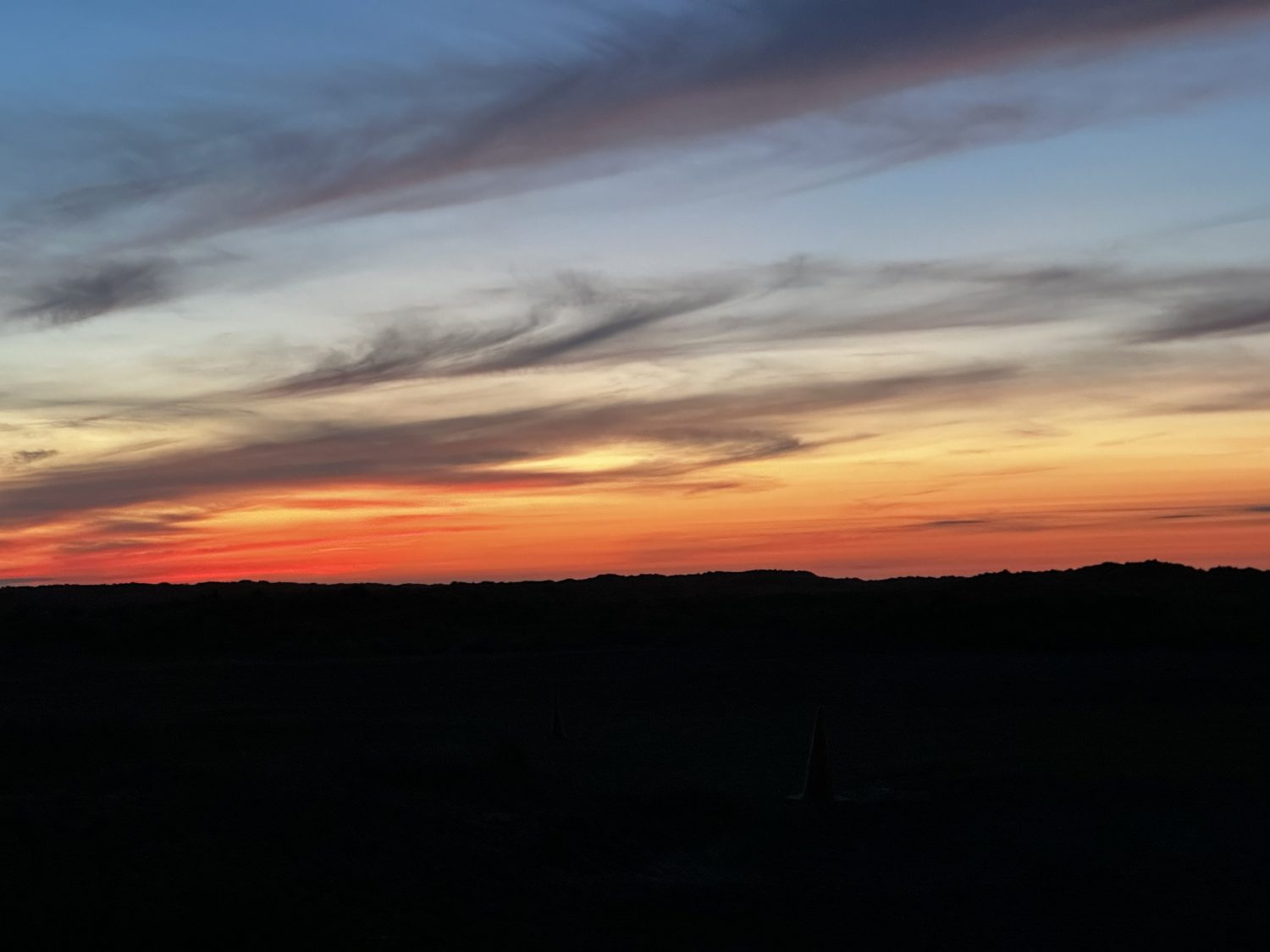
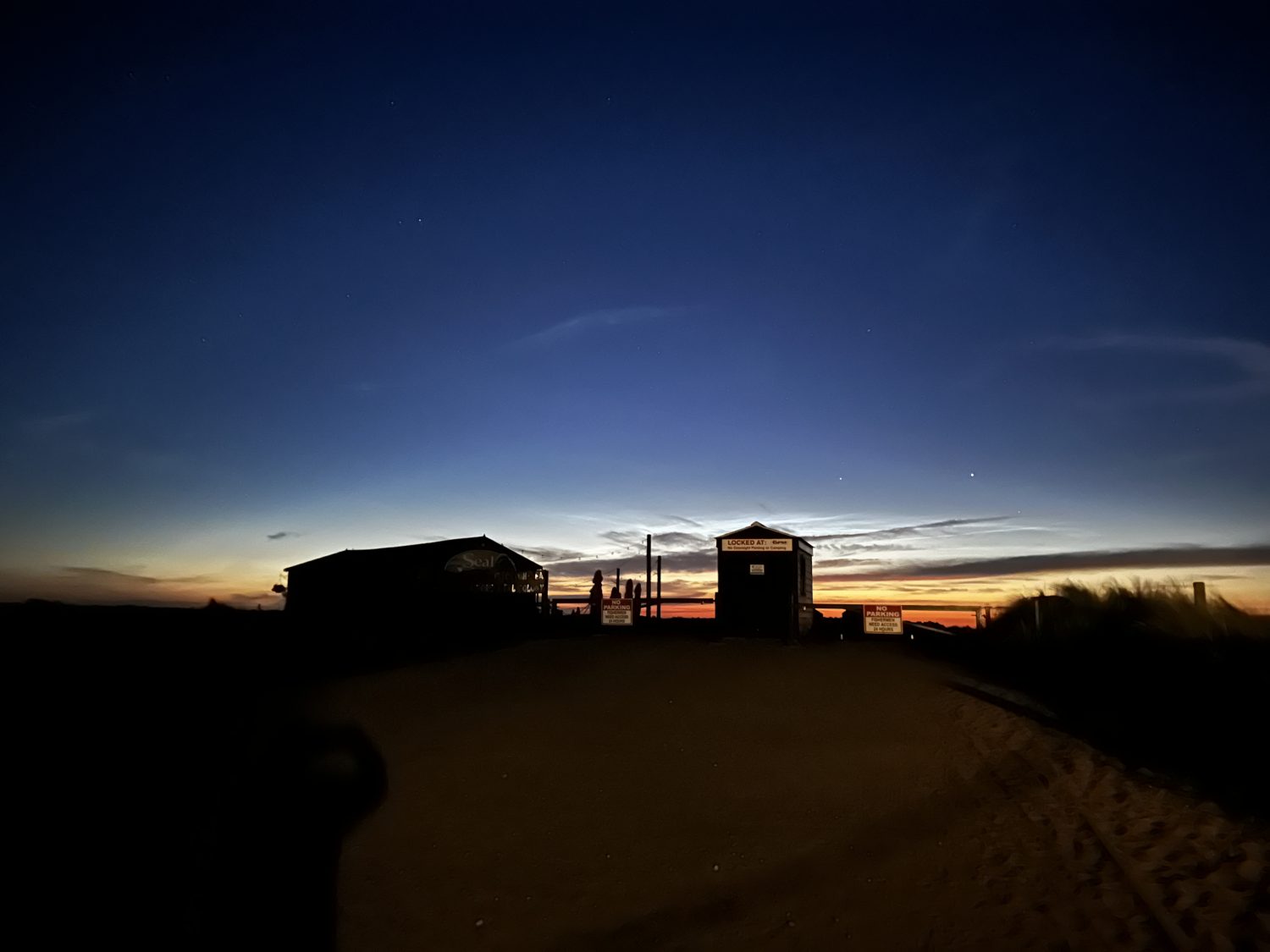
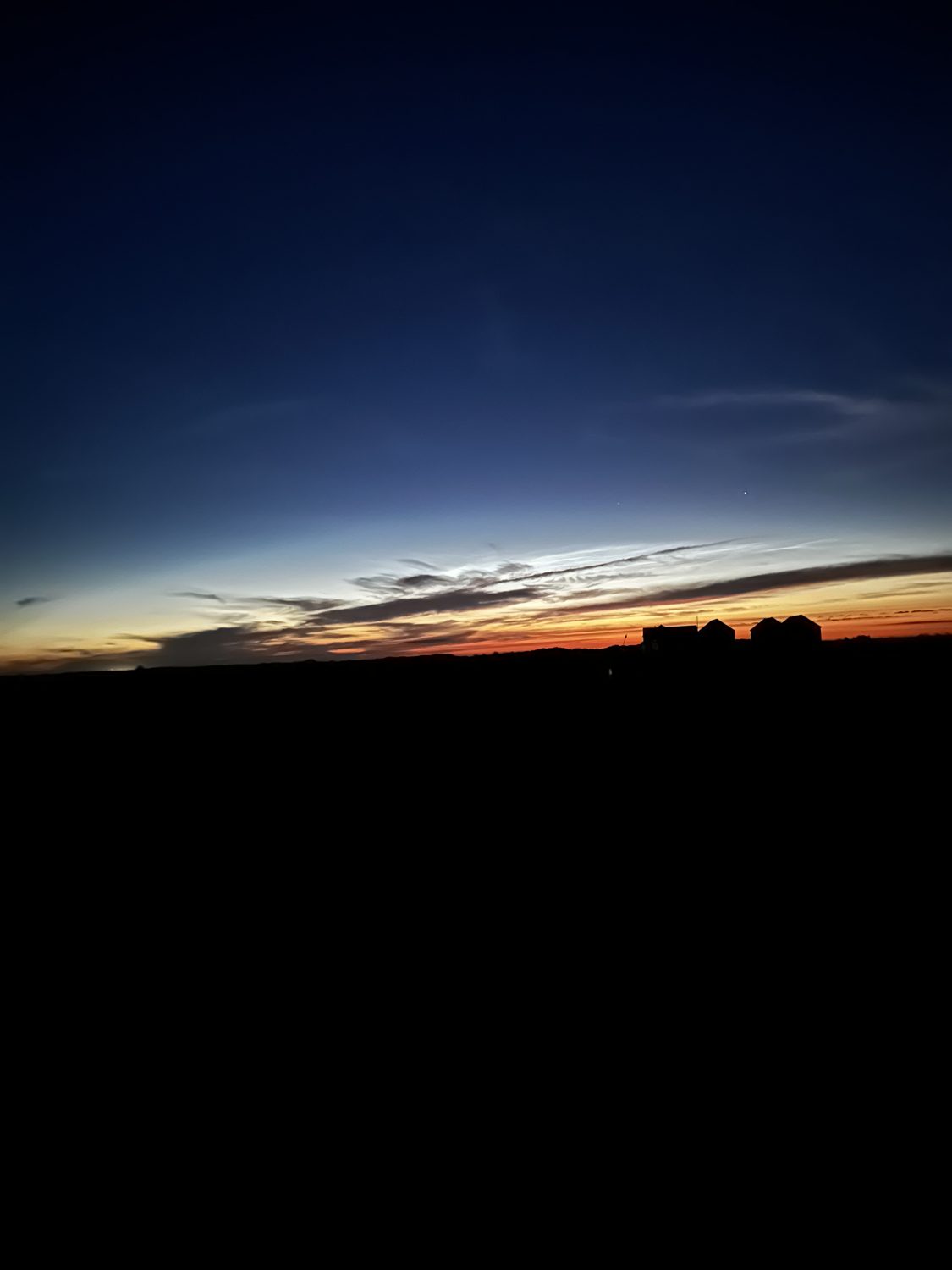
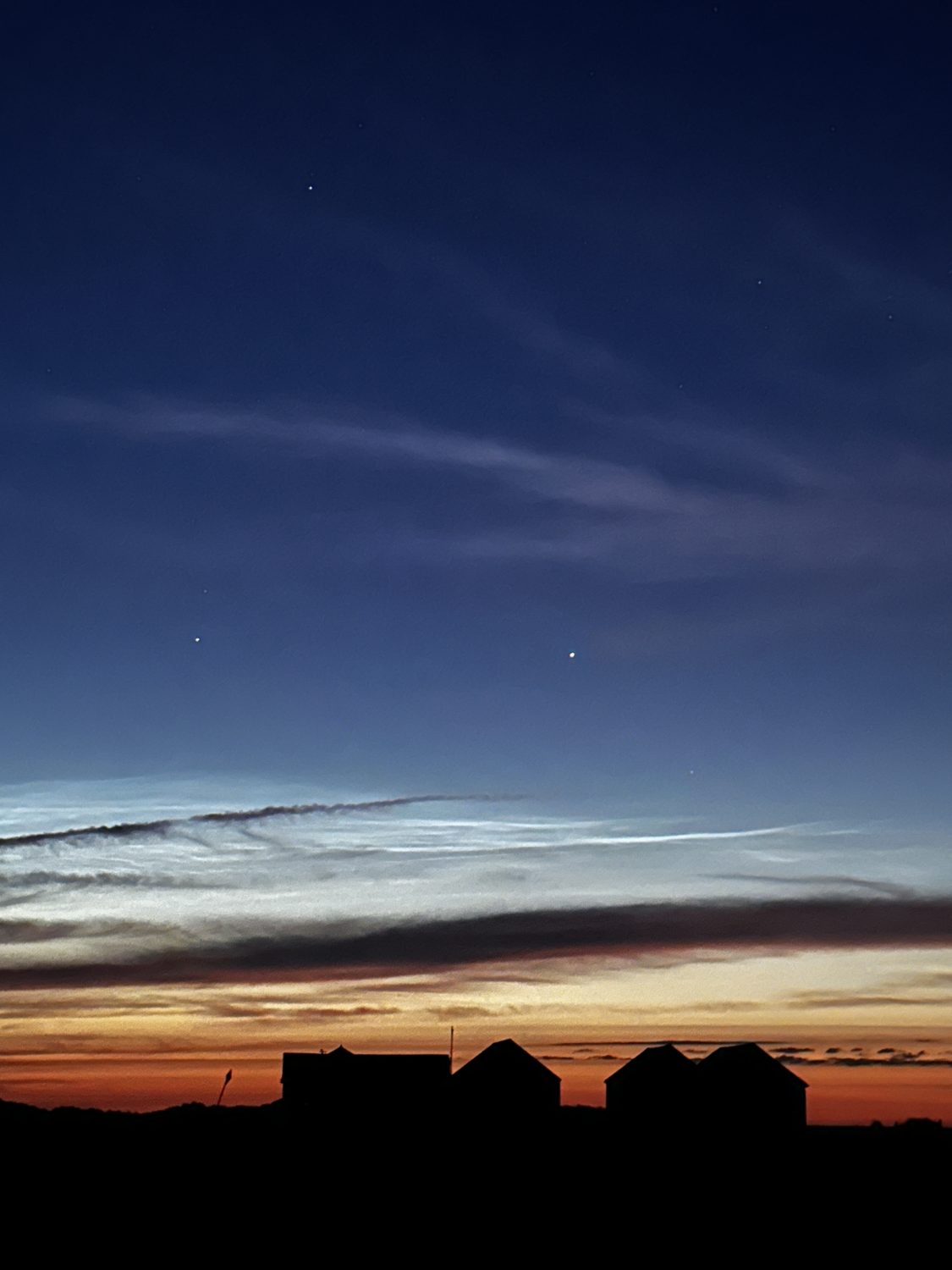
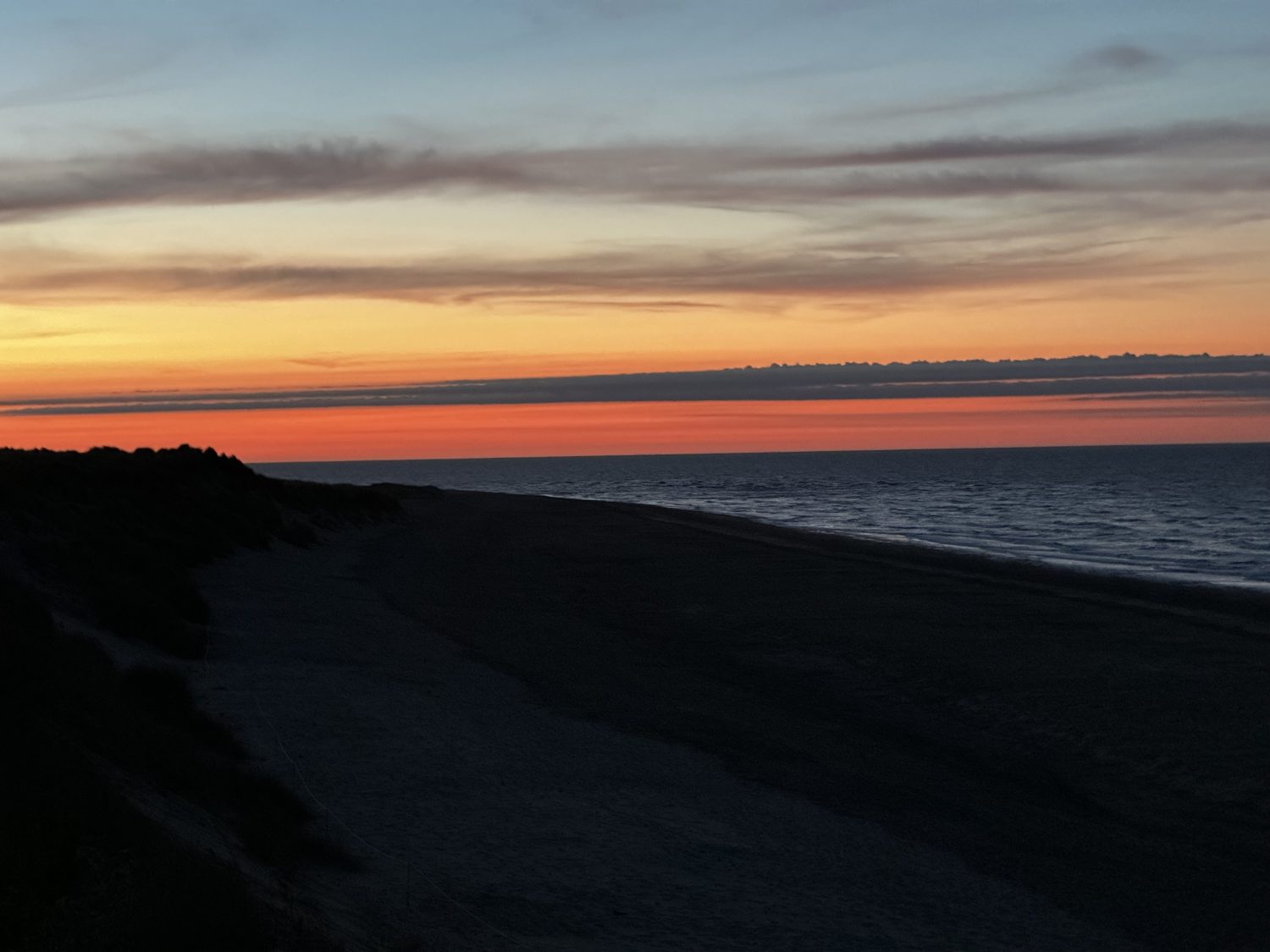
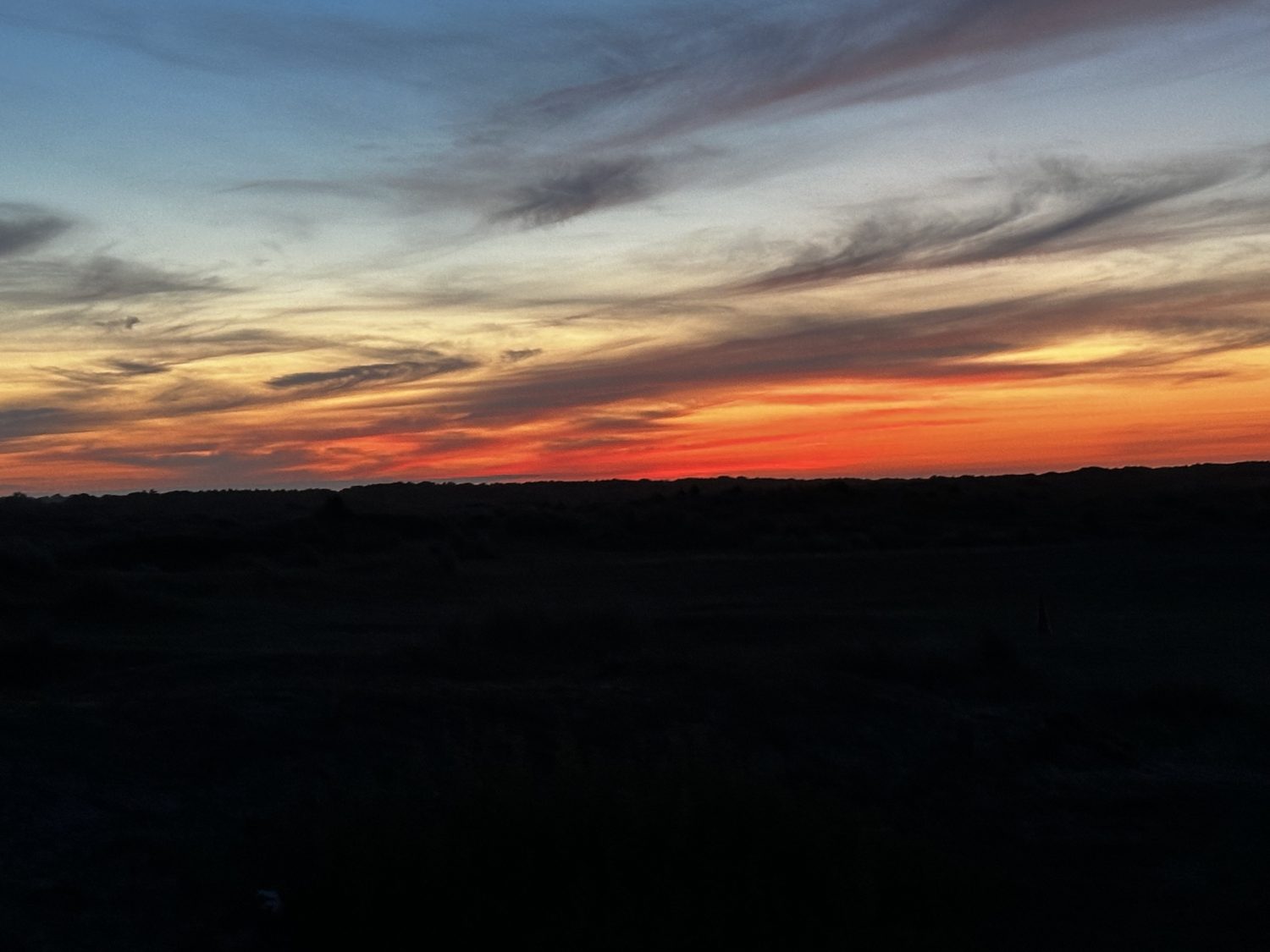
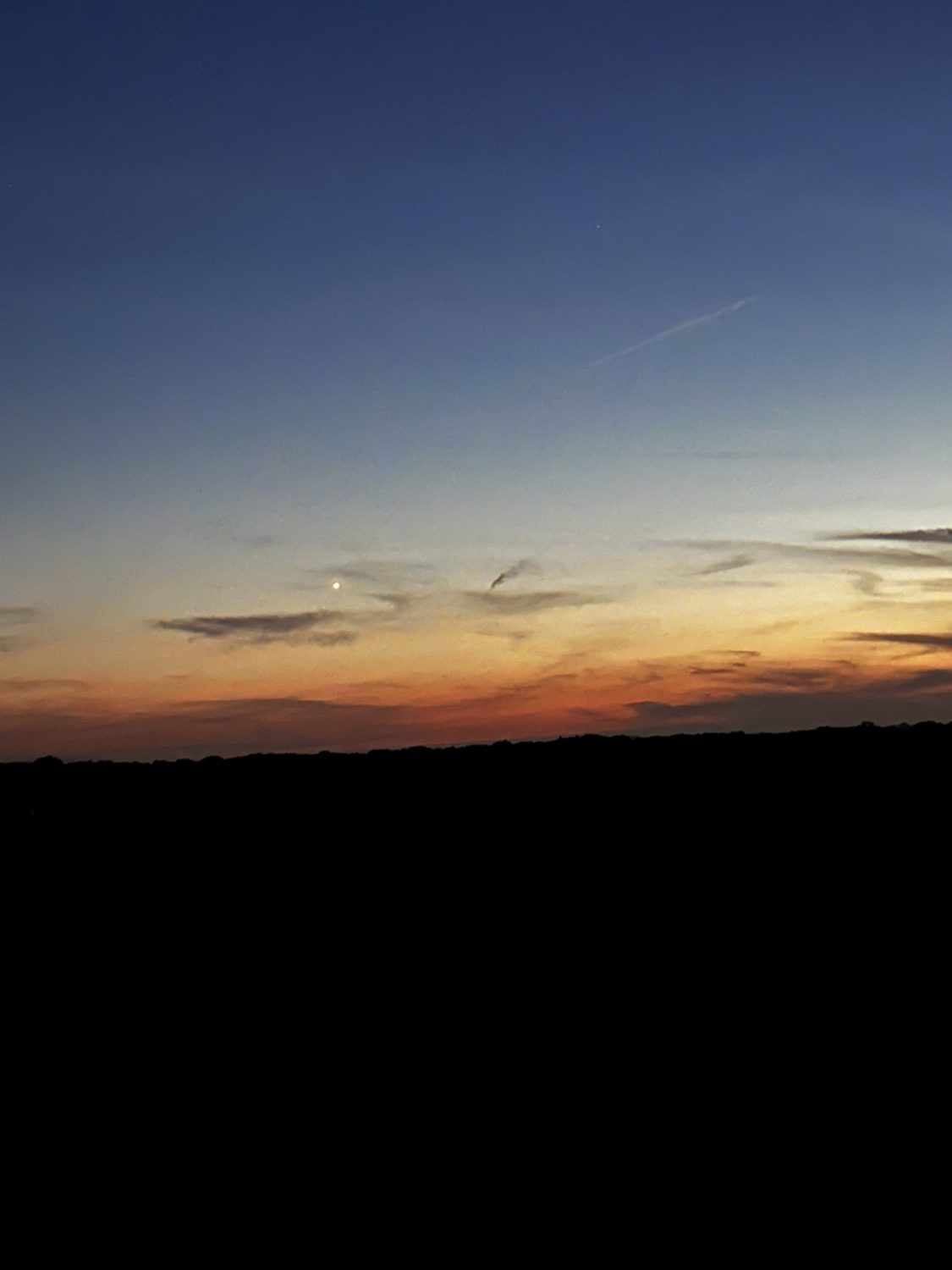
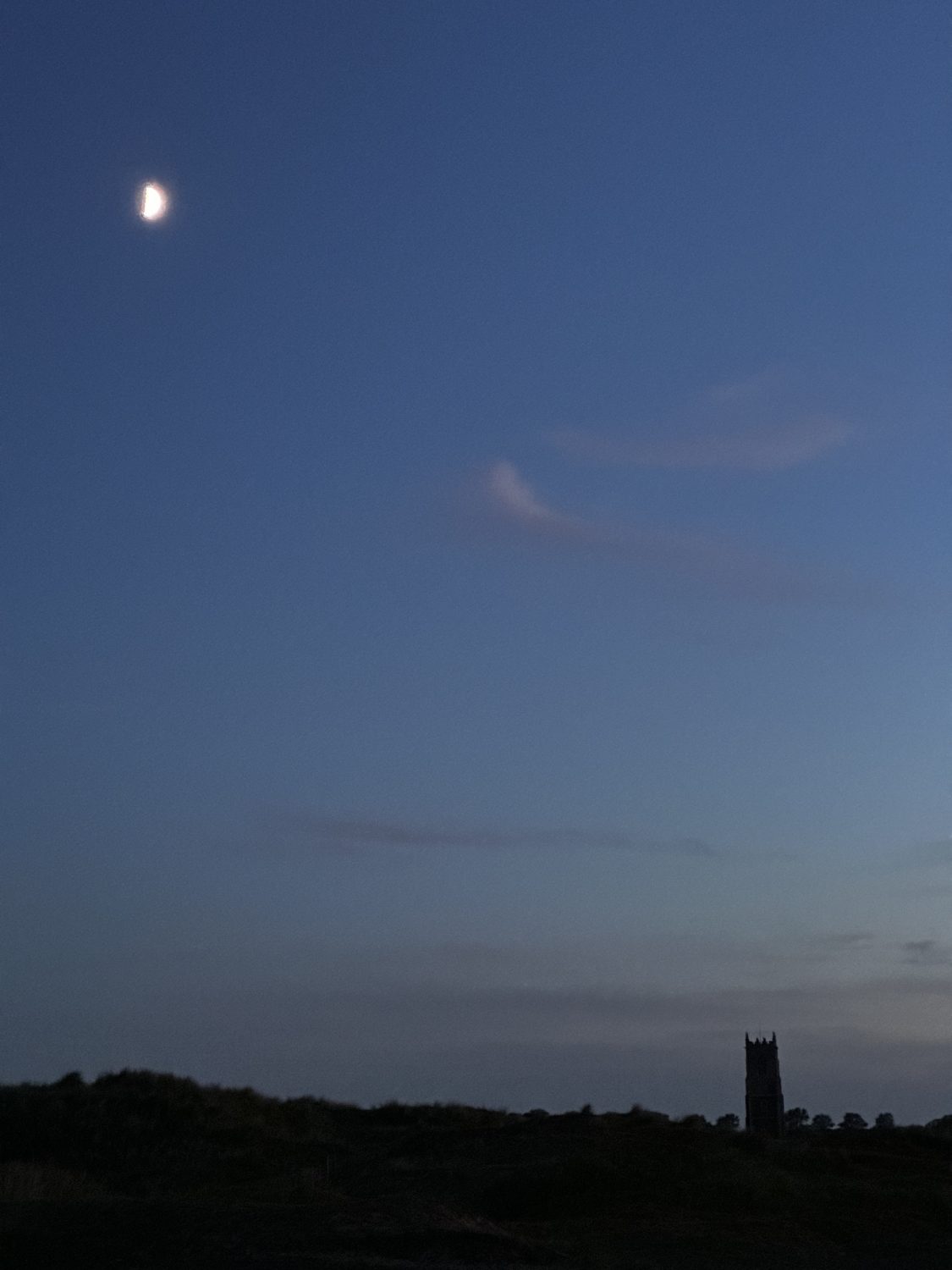
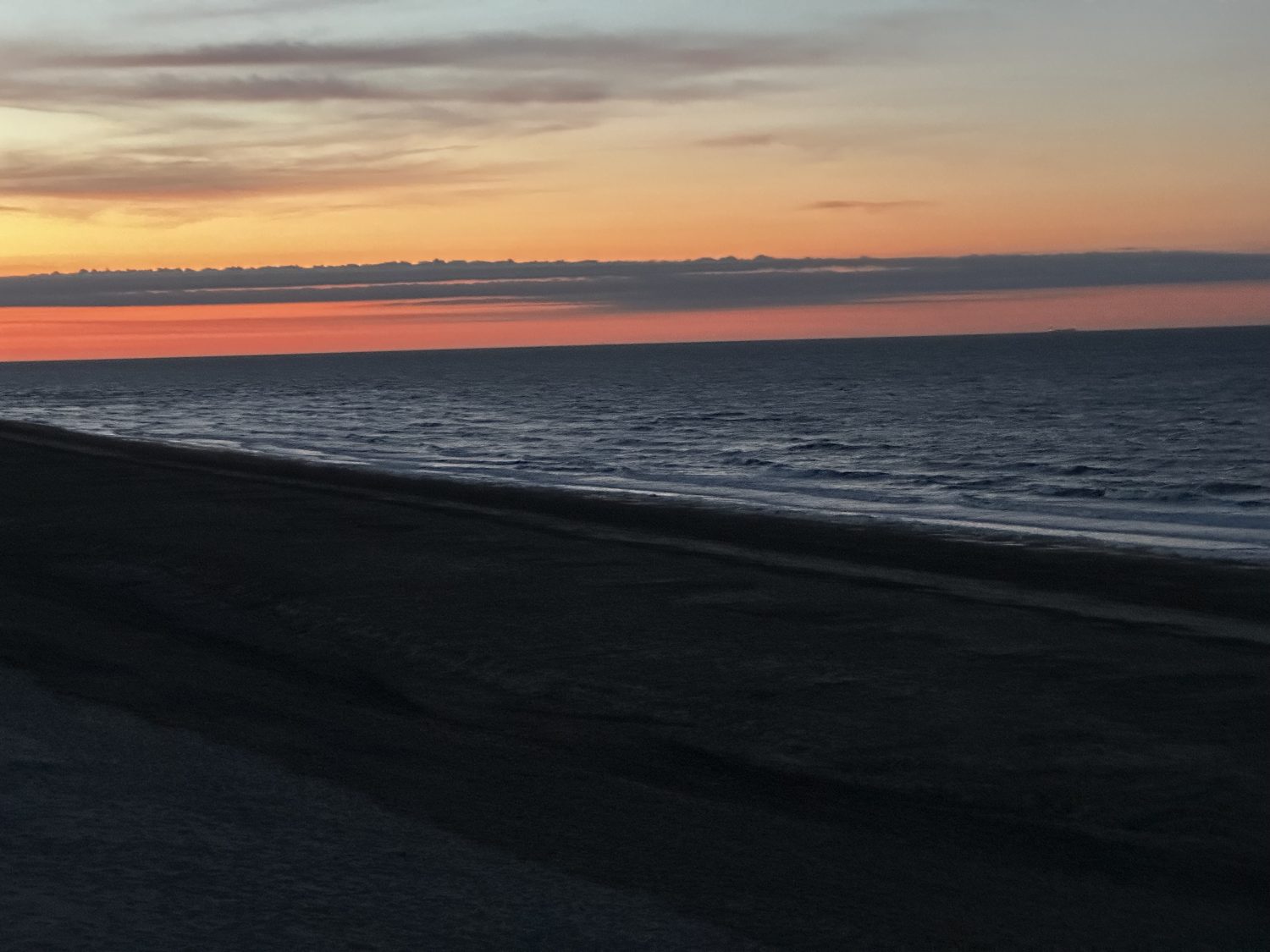
In one of the photos (the seventh one) you can see Venus in the still-light sky. It was hard to make out the stars, with the sky being bright, but some stood out, and in fact, in the fourth image, you can see Capella, a bright star roughly 43 million light years away. Which means that I saw Capella as it looked in 1983!
Winterton would be a fabulous place to observe the stars on a dark night. There is no light pollution and the sky is a huge, mind-blowing arc above you. No hills, no trees, no buildings, no city lights – nothing to stop you seeing the heavens in all their glory.
My photos don’t do it justice, and I only had my phone camera. But you can get some idea of the beauty of that night on the beach.
So, are you asking now, “Why is he writing about this stuff? What’s it got to do with music?”
The answer is simple.
I had such an amazing experience on Sunday night, I couldn’t keep it to myself. And, to any dads reading this, I hope that, however you spent it, you also had a wonderful Fathers’ Day.
Next week’s Humoresque reverts to its customary musical theme – with the results of Competition Week! (Drum roll….)
I’d love to know what you think of this Humoresque. You can put a comment in the box below this post, or you can email me directly. I read and respond to everything.
Humoresque is available to anyone who might be interested. You don’t have to be one of my pupils, or even learning music. If you know anyone who might be interested in subscribing to Humoresque, please let me know. I will only need their name and their email address. Thanks.
Humoresque = a whimsical or fanciful piece of music. Be whimsical, be fanciful, but play in time!
This is Humoresque Number 41